25 Engineering Facts Most People Don't Know
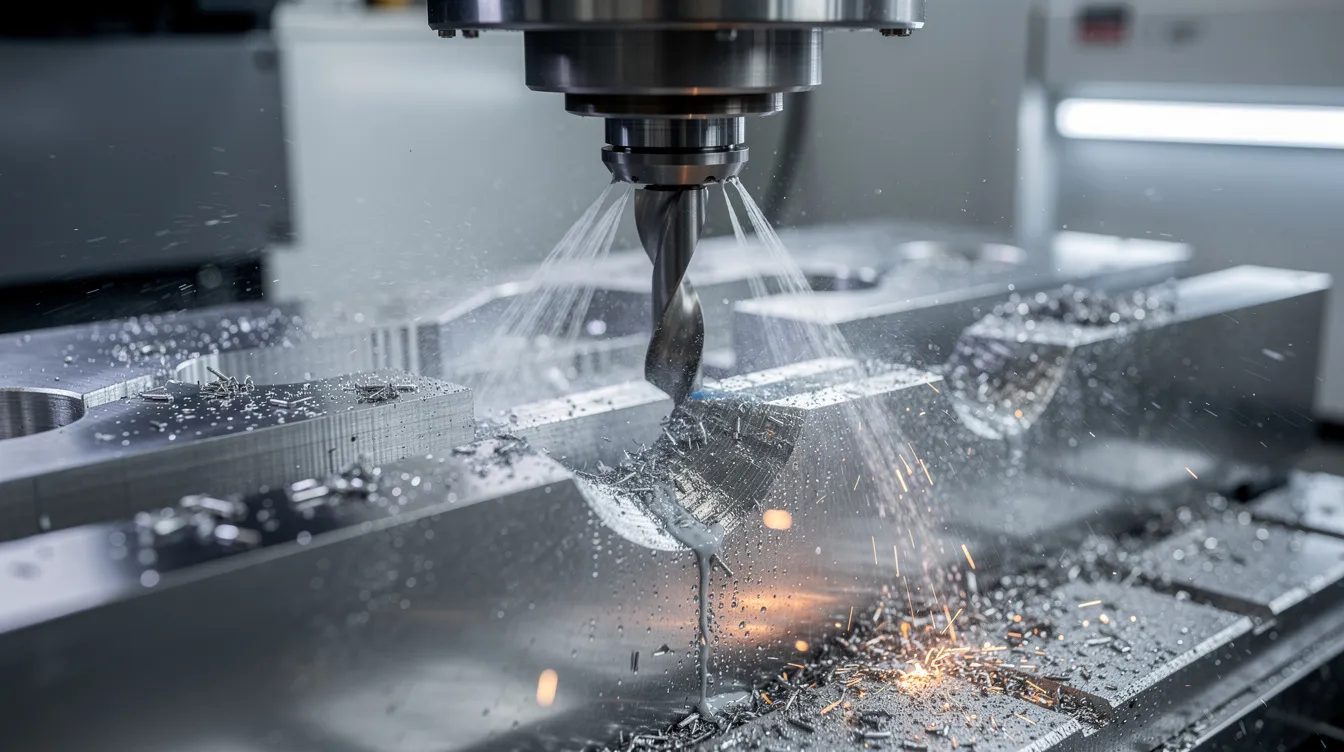
Engineering is full of hidden complexities that shape the products we rely on every day. Manchester has been a centre of manufacturing since the Industrial Revolution, and it remains one of the UK's most important hubs for Manchester precision engineering. Whether you work in fabrication, machining or component design, these 25 facts will change how you think about the manufacturing process — and the metal components your business depends on.
At Elmax Engineering Ltd in Stockport, we've gathered facts spanning manufacturing, materials, CNC technology, design and the local engineering sector — the kind of practical detail that affects specifications, cost and quality in real-world decision-making, not textbook trivia.
Manufacturing & Fabrication
1. Tolerances are tighter than the standard suggests
Under the common ISO 2768-m standard, a "medium" tolerance on a 1mm feature is ±0.1mm — but precision shops routinely hold ±0.02mm on critical mating surfaces. The catch: moving from general to fine tolerances can roughly double machining cost, so tight specifications should only be applied where function genuinely demands them.
2. Heat treatment permanently changes a metal's strength
Heat treatment alters a metal's microstructure for good. Alloy steel 4140, for instance, jumps from around 850 MPa tensile strength annealed to 1,200–1,400 MPa after quench and temper. The trade-off is distortion — which is why critical features are often machined after treatment rather than before.
3. Surface finish affects far more than looks
Surface roughness directly influences fatigue life, sealing and corrosion resistance. A general structural part might specify Ra 3.2 µm, but a hydraulic sealing face needs Ra 0.8 µm or better. Finishing processes such as grinding and polishing add time but can dramatically extend a component's life. Our cylindrical grinding services and surface grinding deliver exactly these fine finishes on critical surfaces.
4. Material waste is a real cost in small-batch work
In small-volume fabrication, material waste typically runs 5–15% depending on complexity. Careful CAD/CAM programming, optimised tool paths and near-net-shape blanks reduce scrap — protecting both margins and the specifications clients require.
5. A welded joint can be stronger than the metal around it
With properly matched filler metals and procedures, welded joints can exceed the base material's strength. But the heat-affected zone around the weld often has reduced toughness, which is why inspection methods like ultrasonic and dye-penetrant testing matter for assemblies under cyclic load.
CNC & Precision Machining
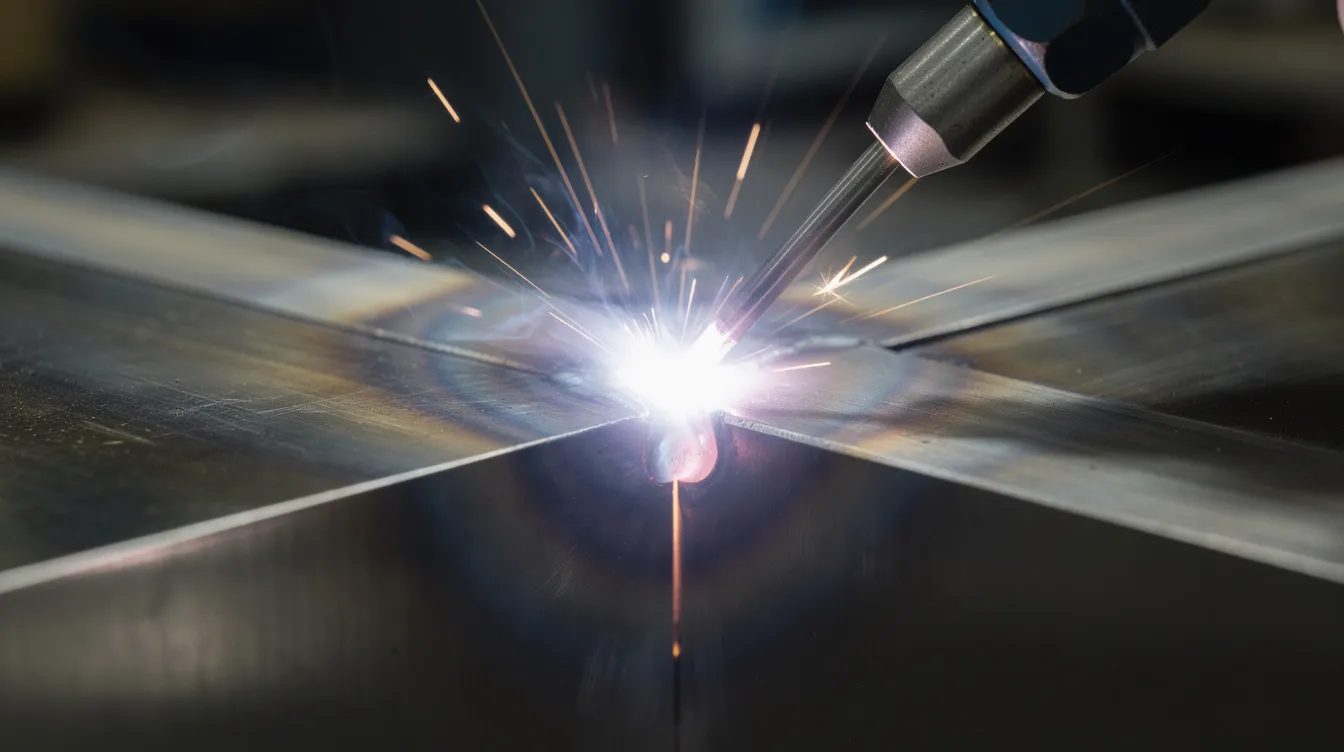
CNC stands for computer numerical control — machines that cut and shape parts from metal, plastic or wood using pre-programmed software. It's a subtractive process: material is removed rather than added. Machines work across multiple axis configurations, and the instructions are written in "G-code" for movement and "M-code" for functions like spindle and coolant control. As a CNC machining company, we rely on this technology every day across turning and milling.
6. Even high-end machines have accuracy limits
Thermal expansion, backlash, tool deflection and vibration all affect precision. Under ideal conditions ±0.005mm is achievable, but realistic shop tolerances usually fall between ±0.01–0.05mm. CNC improves accuracy and consistency over manual methods, but understanding these limits sets realistic expectations.
7. Knowing when to change a tool saves money
Cutting tools degrade through flank wear, crater wear and built-up edge. Replacing a tool too early wastes money; too late, and you scrap parts. Monitoring surface-finish drift and vibration helps catch the optimal moment before quality suffers — vital across both our CNC turning services and milling work.
8. Cutting speed and surface quality pull against each other
Higher cutting speeds raise throughput but generate heat that accelerates tool wear. Roughing at speed and then finishing at lower feed rates is how shops balance output against surface quality. CAD/CAM software helps optimise these parameters before any metal is cut.
9. Coolant choice extends tool life
The right coolant — oil-based, synthetic or semi-synthetic — extends tool life, improves finish and prevents thermal errors. Delivery methods include flood, mist and through-tool systems. Coolant maintenance adds overhead through monitoring and filtration, but the return in tool longevity and part quality justifies it.
10. Vibration is the enemy of precision
Vibration, or chatter, degrades surface finish, shortens tool life and throws features out of tolerance. Rigid fixtures, damping and structural isolation keep it under control — and modern monitoring catches it before it spoils a part. Our CNC milling service depends on exactly this kind of stability.
Materials & Metallurgy
11. Tiny changes in steel grade have huge effects
A shift from 0.2% to 0.4% carbon, or adding chromium or molybdenum, dramatically changes machinability, weldability and fatigue endurance. Choosing C45 over 42CrMo4 might save on material but fail under cyclic loading — always match the grade to the application.
12. Not all aluminium is equal
The strength gap between aluminium alloys is striking: 6061-T6 delivers around 280–320 MPa ultimate tensile, while 7075-T6 reaches 560–600 MPa. Weight, corrosion behaviour and machinability all differ too — so for weight-critical aerospace and automotive parts, alloy selection is a key design decision.
13. Sharp corners are weak points
Sharp internal corners, keyways, holes near edges and abrupt section changes create stress risers that cut fatigue life. Fillets, chamfers and rounded transitions mitigate this — and a design-for-manufacture review catches these issues before they become expensive failures. Keyways, incidentally, are best cut cleanly with dedicated keyway slotting to avoid introducing stress concentrations.
14. Stainless steel still corrodes
Stainless isn't immune to corrosion — weld heat-affected zones, chloride exposure and surface damage all degrade resistance in grades like 304 and 316. Sometimes mild steel with a quality protective coating outperforms more expensive stainless for a given job. It's a conversation worth having with your fabricator.
15. Mixed metals expand at different rates
Aluminium expands roughly twice as fast as steel with temperature. In assemblies combining both, that differential creates stress, distortion and fitment problems — so expansion coefficients must factor into tolerancing and fixing design, especially for parts in variable-temperature environments.
Engineering Design
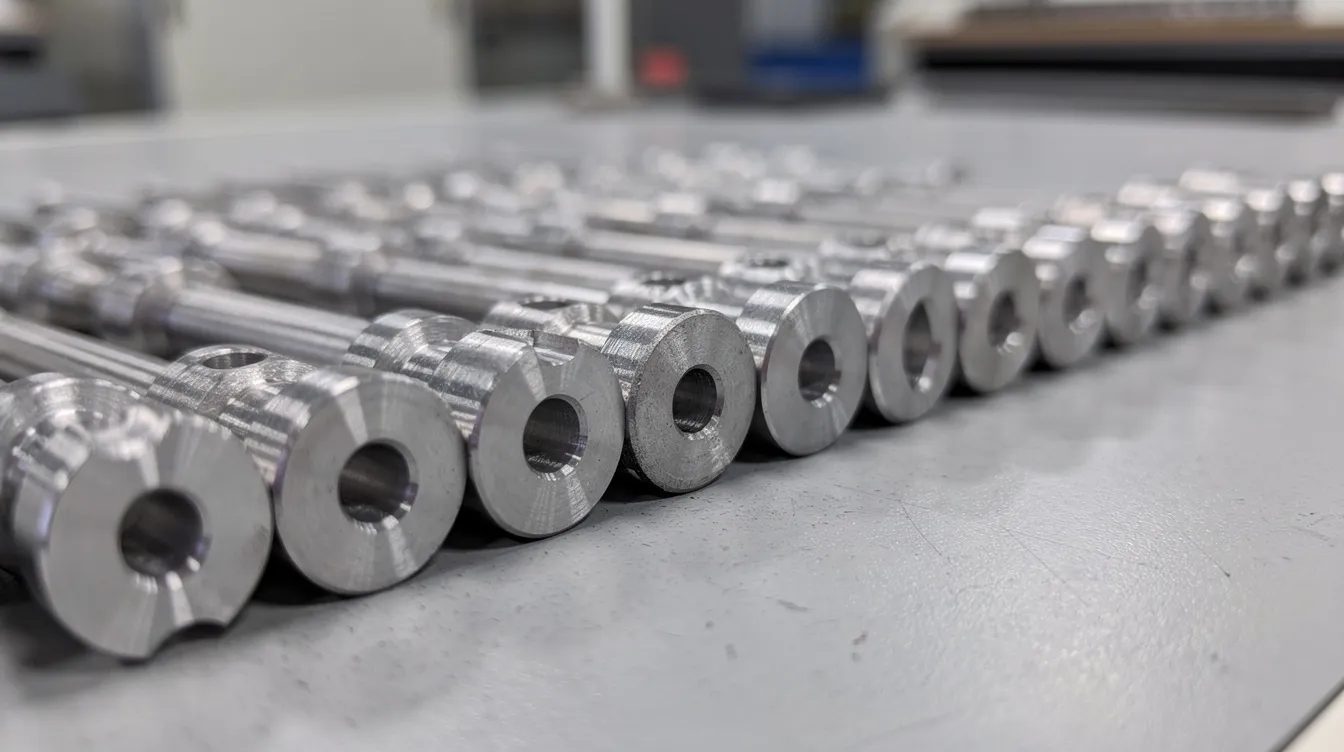
16. Designing for manufacture cuts cost dramatically
Avoiding deep pockets, reducing setup changes and minimising complexity all cut cost. Using standard sizes and applying tight tolerances only to critical features keeps prototyping and production affordable — measurable savings for any small fabricator.
17. Fastener choice affects assembly strength
Fastener grade, preload control and corrosion protection all affect how an assembly performs. Combining dissimilar metals without isolation invites galvanic corrosion — a common and costly mistake in multi-material assemblies.
18. GD&T controls more than size
Geometric Dimensioning and Tolerancing uses standardised symbols — flatness, runout, true position — to control form, orientation and location beyond simple dimensions. It lets engineers enforce only what's functionally critical, reducing cost while improving fit.
19. Assembly sequence affects quality
Welding before final machining, incorrect clamping order and cooling-induced distortion all accumulate errors. Correct sequencing ensures critical surfaces are final-machined after all distortion-causing operations — and good process documentation keeps it consistent.
20. Standardisation speeds everything up
Using standard bar diameters, stock thicknesses and common fasteners reduces inventory, simplifies procurement and shortens lead times. For small operators moving from prototypes to batch runs, standardisation also buffers against price swings.
The Manchester Engineering Industry
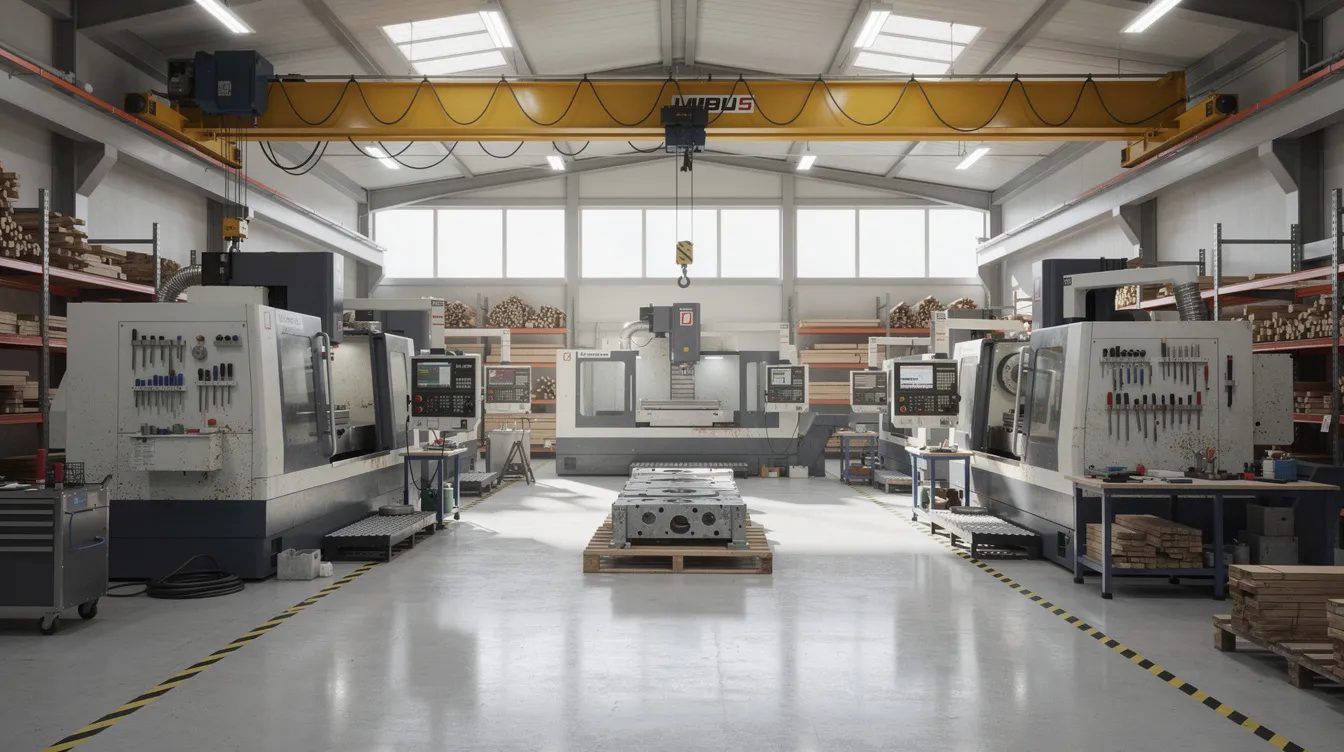
21. Local supply chains are a genuine advantage
Manchester's precision engineering sector heavily services advanced manufacturing, particularly aerospace and automotive, supporting a complete supply chain from design to installation. Proximity to steel stockists, finishing shops and sub-contract machine shops reduces lead times and shipping risk — a real advantage for responsive local manufacturers and anyone searching for CNC machining near me.
22. Skilled machinists are in high demand
There's a strong regional focus on bridging the engineering skills gap. Apprenticeship programmes and university schemes produce technicians skilled in CNC operation, welding and metrology — yet CNC machinists and sheet-metal fabricators remain in high demand across the North West. Training investment pays dividends in quality and capability.
23. Efficiency is reshaping the workshop
Engineering firms are increasingly focused on energy-efficient machining and recyclable materials. Higher-efficiency motors, regenerative drives and process optimisation reduce overhead, while carbon-reduction targets increasingly influence procurement decisions across Manchester.
24. Technology adoption is accelerating
Local precision engineering is transforming fast through investment in new technology — smart machining, real-time data analysis and hybrid manufacturing that combines additive and traditional methods. Digital twin technology is now widely used to simulate production before committing to physical runs, though it demands ongoing training and software skill.
25. Quality standards keep rising
The region's precision engineering supports emerging industries including electric vehicles, medical devices and renewable energy. Quality expectations have evolved from basic ISO 9001 to sector-specific certifications like AS9100 for aerospace, with clients now requiring full inspection reports, material traceability and first-article inspection.
Quick Summary
| Category | Core Takeaway |
|---|---|
| Manufacturing & Fabrication | Tolerance, heat treatment and joint design drive component reliability |
| CNC & Machining | Machine limits, tool wear and code determine output quality |
| Materials & Metallurgy | Small composition changes create massive performance differences |
| Engineering Design | DFM principles and GD&T reduce cost without sacrificing function |
| Manchester Industry | Local supply chains, skills and technology create competitive advantage |
Putting This Knowledge to Work
These 25 facts represent the kind of practical engineering knowledge that separates efficient manufacturing from costly trial and error. When specifying parts, apply precision only where it counts — over-specifying wastes money, under-specifying risks failure. Lean on design-for-manufacture principles, standardise components where you can, and use a local engineering network to cut lead times and transport costs.
At Elmax Engineering Ltd in Stockport, we apply this knowledge daily to deliver fabricated metal products that meet exacting specifications. If you've been searching for CNC machining near me in Manchester or Stockport and you're planning a component project — a one-off prototype or a full production run — reach out to discuss how these insights can work for your application.